How Britain's oldest Proof House still tests modern military weapons

A video from BFBS Forces News exploring the importance of proving our military's firearms.

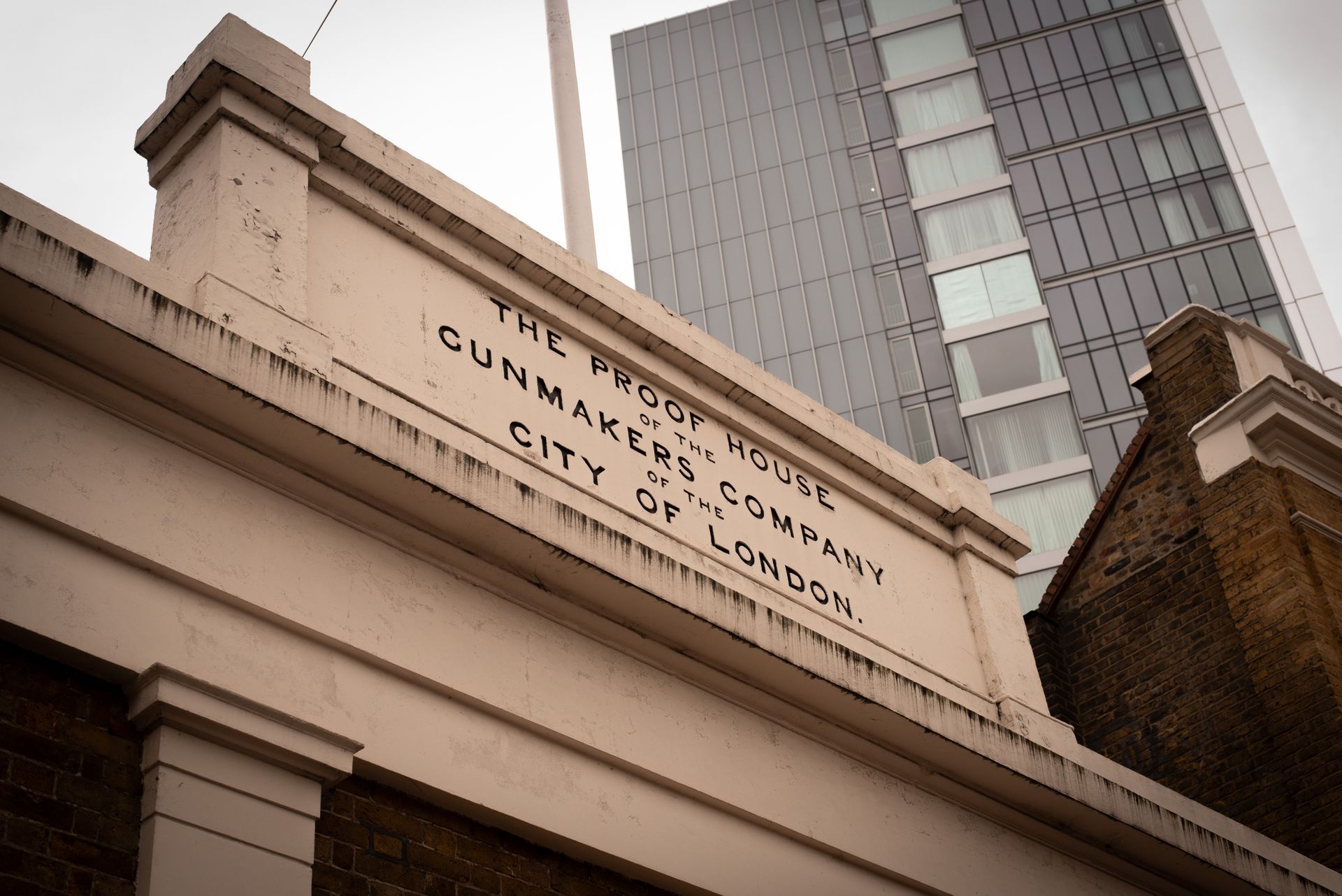
For nearly 400 years, a succession of Proof Masters has stood between a newly made firearm and the person who pulls the trigger. It is quiet, exacting work, carried out behind heavy walls in Whitechapel and rarely seen by the public. So we were delighted when Forces News, the BFBS team that reports for the Armed Forces community, asked to come behind the scenes and film how military proof is actually done.


The result is a superb short film, accompanied by a written feature, that captures exactly what happens when a firearm is put under proof and why it matters. We'd encourage you to watch it and read the piece in full, but here's a taste of what they found.


Following a rifle through proof

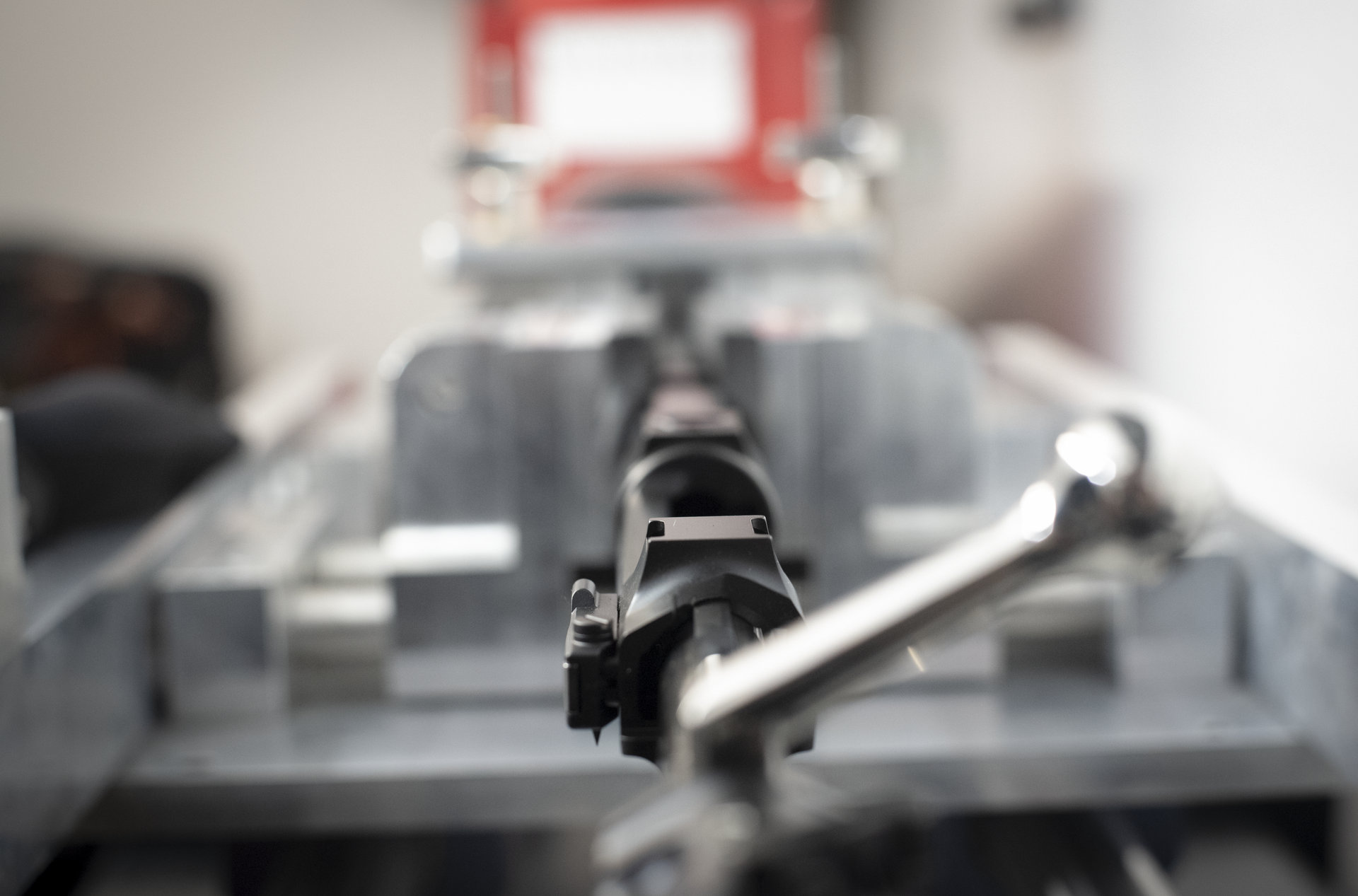
Proof Master David Miles gave Forces News rare access to the proof bays to follow a single Sako rifle, brought in by Beretta Defence Technologies (BDT) UK, from the moment it arrived to the moment its fate was decided. The question hanging over the whole process was a simple one: would it pass?


Every firearm sold in the UK, military or civilian, must pass proof. It is not a formality. It is a series of tests designed to confirm that a gun has been made correctly and can safely withstand the pressures generated by modern ammunition. As David puts it in the film, the alternative to passing is what the trade calls catastrophic failure, which he describes as "a polite way of saying it's blown up."


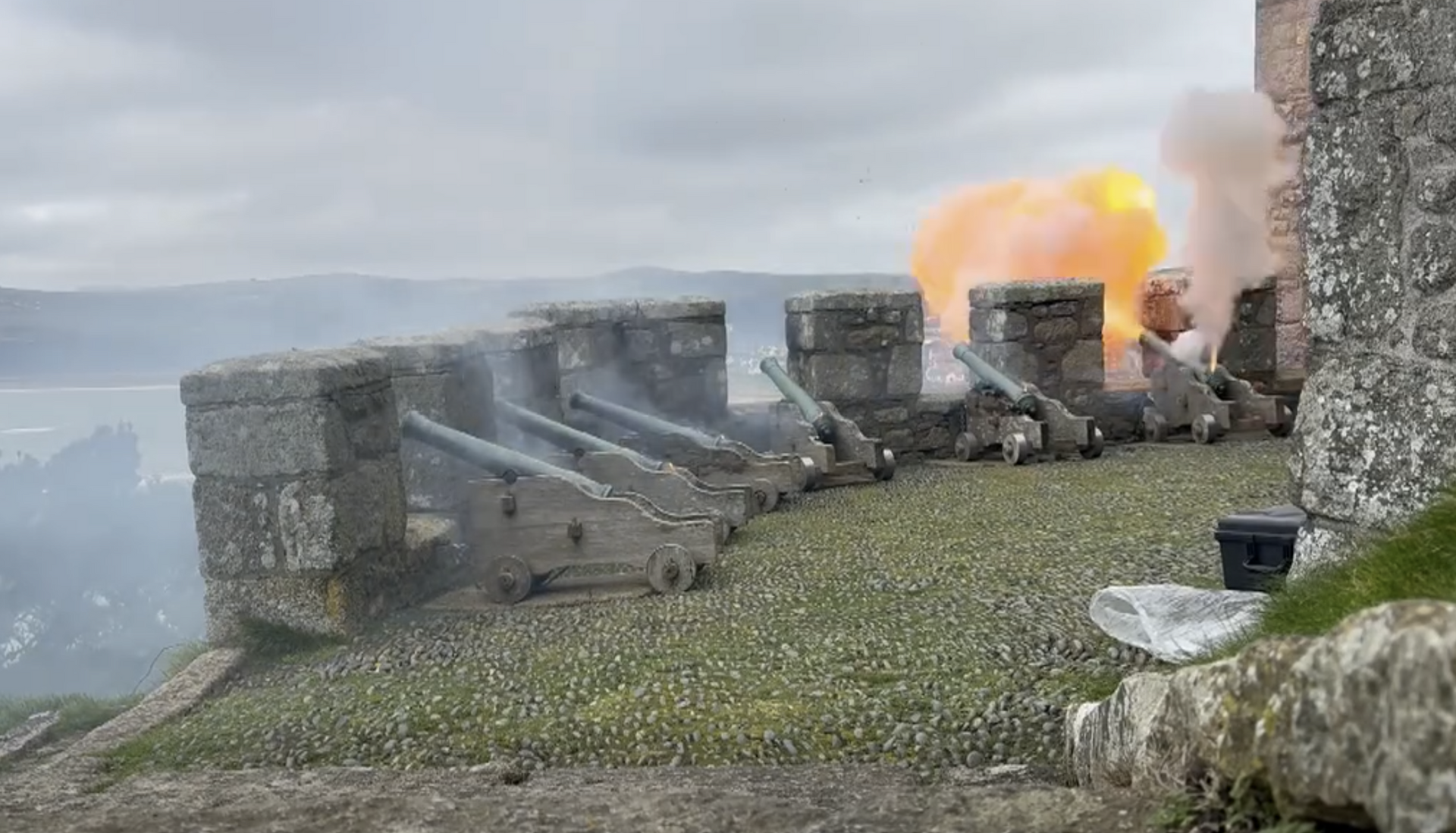
That outcome is rare, but it does happen a handful of times a year, and the whole point of the Proof House is to make sure that if a firearm is going to fail, it fails here, clamped to a test bed inside a reinforced bay, rather than in a user's hands. David recalls watching a 30mm cannon let go on the range, throwing shrapnel some 40 metres from the barrel. Moments like that are a sharp reminder of why this work exists.

There's more on military firearm proof from Forces News here: No Catastrophic Failure

What proof actually involves

The film walks through the process the way the Proof House performs it every working day:


  • Inspection. The bore and chamber are examined by eye for cracks, dents, bulges or any other obvious defect before a single live round is fired.


  • Gauging. The bore and chamber are measured against the published tolerances for that cartridge designation, so the firearm is confirmed to be dimensionally correct.


  • Overpressure firing. Proof ammunition is fired at around 25% above the maximum service pressure of the equivalent in-service round. Each barrel is fired twice.


  • Re-inspection. The firearm is viewed and measured a second time, and the before-and-after figures are compared. Any change at all means the firearm fails. No change means it passes.


Only when a firearm has come through all of this does it earn its mark, and in this case, the GP mark was lasered onto the Sako rifle, the modern signature of a tradition that stretches back to 1637.


Heritage meets the modern battlefield

What makes the film especially timely is its closing point. There have been just 28 Proof Masters since King Charles I granted the Royal Charter in 1637, establishing the first law that made it illegal to sell a firearm that had failed proof. Nearly four centuries later, that same principle still applies to the most advanced weapons in service, and whatever rifle is eventually chosen to replace the British Army's SA80 will have to pass proof here, just like the Sako rifle in the film.


It is a rare thing for an institution to do essentially the same job, to the same purpose, for 400 years. We're proud that the work still matters as much today as it did in the seventeenth century, and grateful to Forces News for telling the story so well.

May 12, 2026
The London Proof House travelled to the island to conduct a rare and highly specialised off-site proof operation.
March 30, 2026
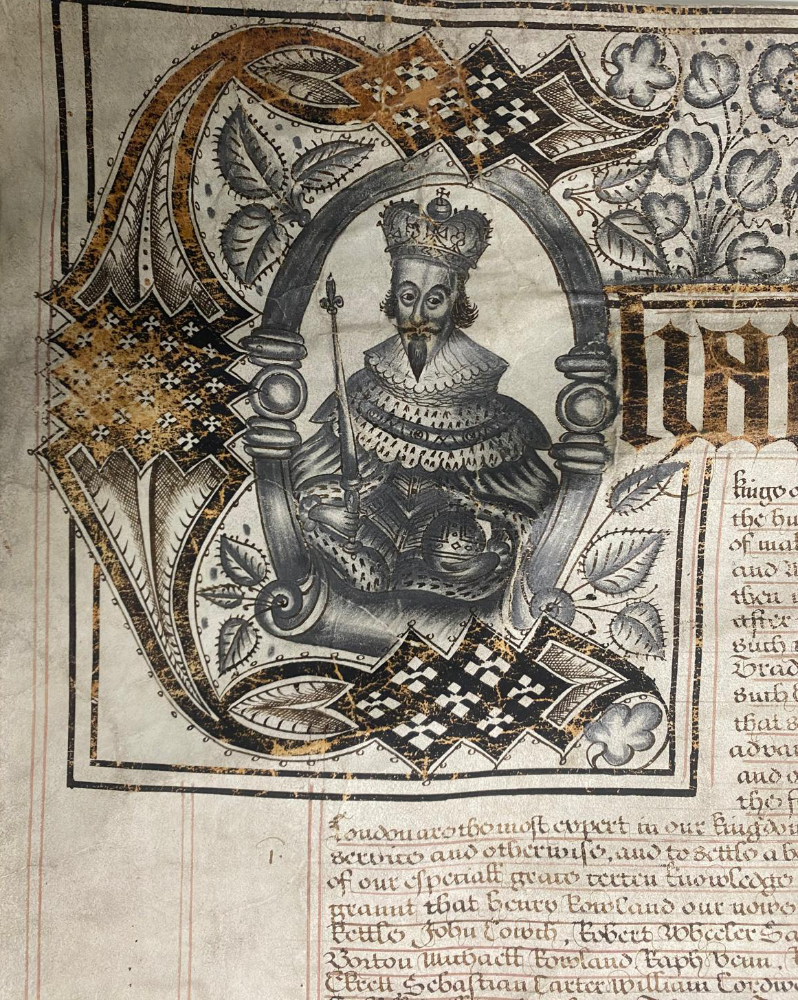
Conservation of the Gunmakers’ 17th-century Charter and Ordinances, preserving nearly 400 years of history through expert restoration and modern archival techniques.
March 4, 2026
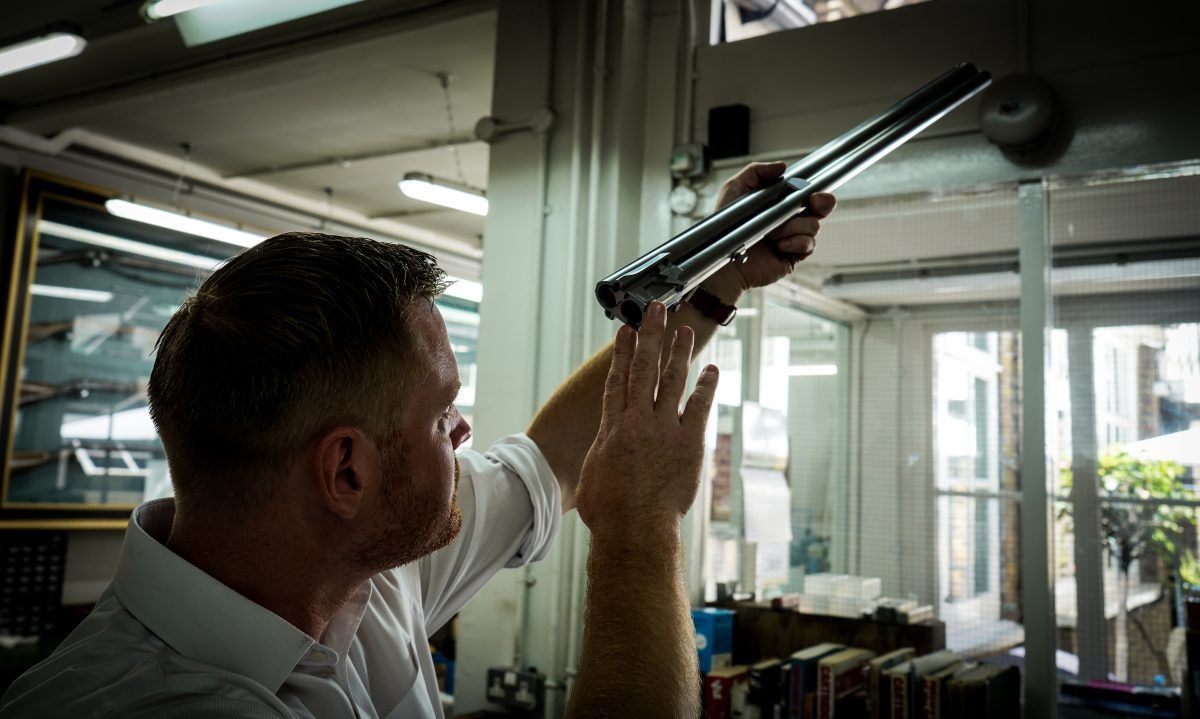
Richard Hefford-Hobbs appointed chairman of the Proof House Committee has his focus firmly on combining heritage with technical progress.
February 3, 2026
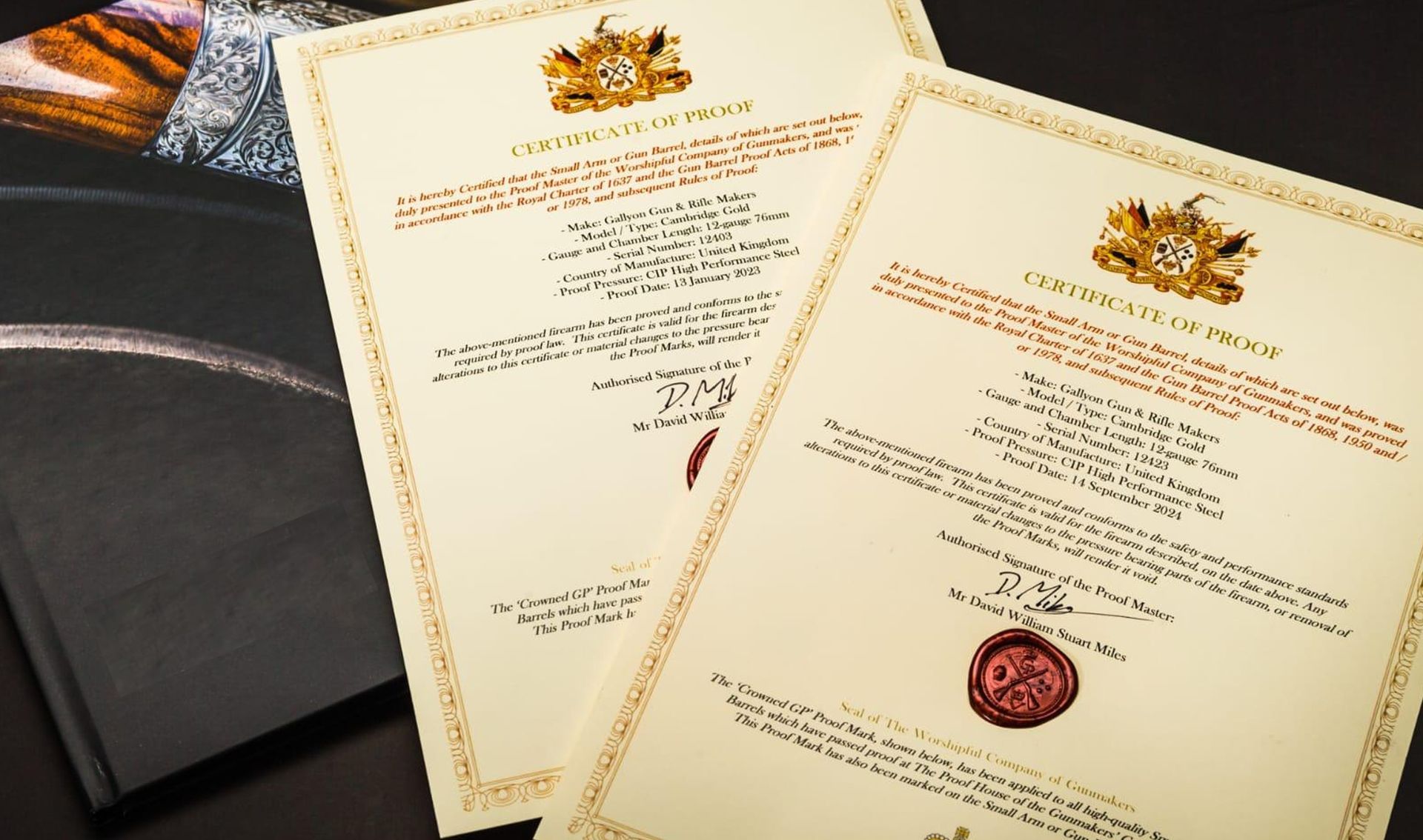
We are pleased to confirm that a new member of staff has recently joined the team at the London Proof House.
January 29, 2026
INSIDE THE WORSHIPFUL COMPANY OF GUNMAKERS
December 3, 2025
Auction houses across the UK dealing in firearms have the London Proof House to ensure that guns entering the market are both legally compliant and safe to use.
November 23, 2025
London Proof House passes BSI ISO 9001 Audit
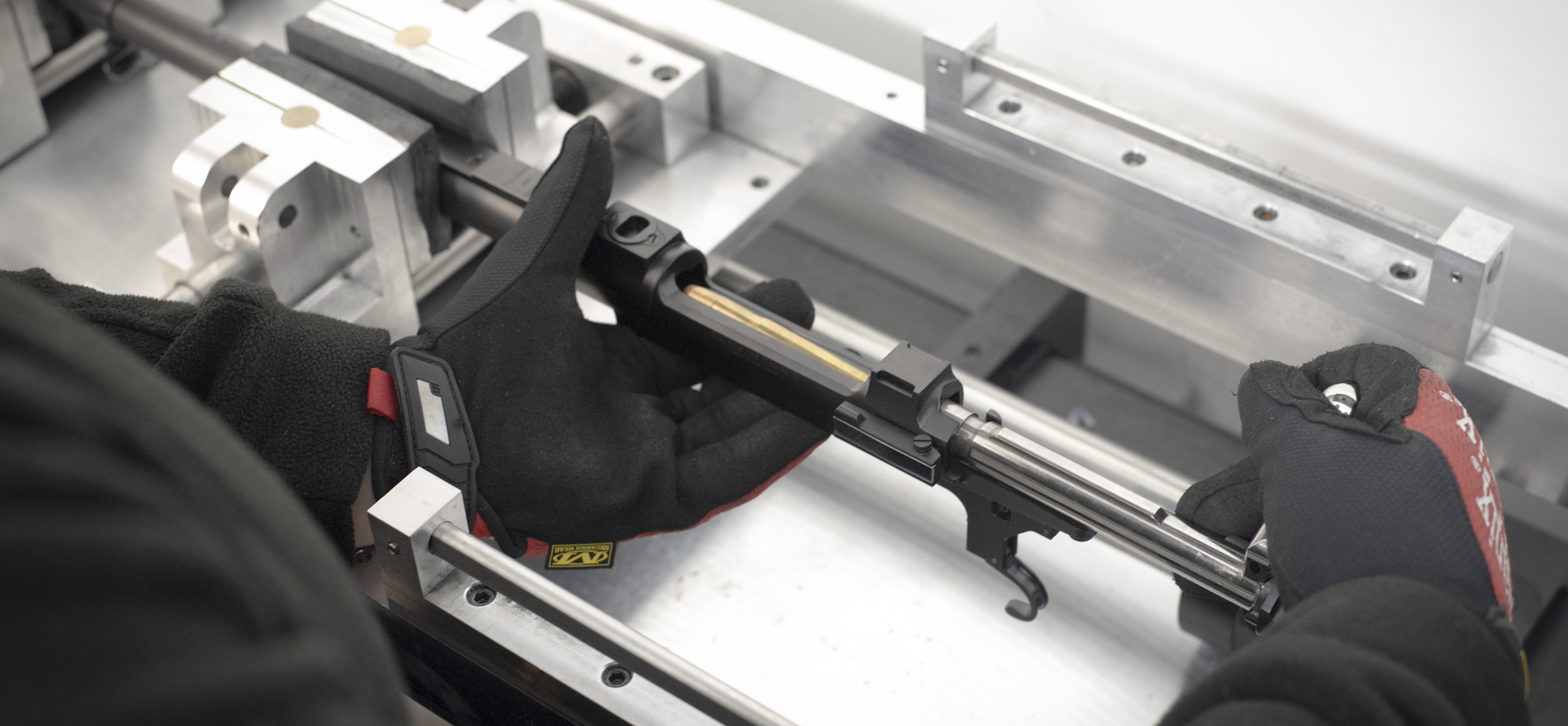
A rifle being proved the London Proof House
August 3, 2025
The majority of sporting guns sold in the UK now sourced from overseas, the proofing of imported firearms is a crucial step in ensuring legal compliance and safety.
July 14, 2025
The Proof Master at the London Proof House explains the importance of deactivation and how the technology has changed.
Some of the historical documents at the Proof House going back nearly 400 years!
April 2, 2025
The Proof Master, David Mills, introduces the Proof House in an interview for Gun Trade Insider magazine. What will become a monthly feature.
Show More