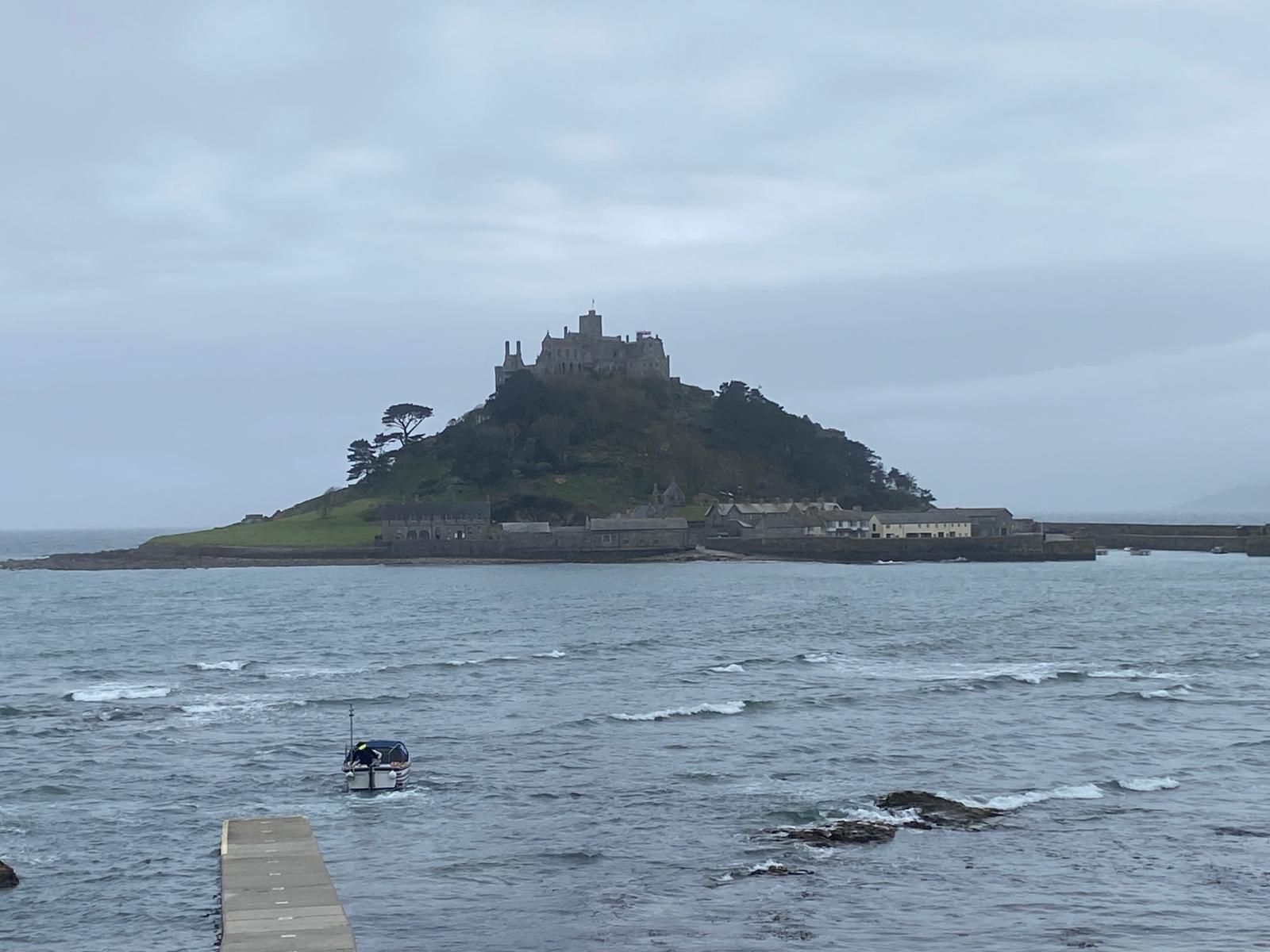
Rising dramatically from the Cornish coastline, St Michael's Mount has stood watch over Mount’s Bay for centuries. Part medieval fortress, part family home, part place of pilgrimage, the island has witnessed conflict ranging from the Wars of the Roses to the English Civil War and the Napoleonic era. Along its battlements still stand rows of historic bronze cannon, silent reminders of a period when the Cornish coast was on the frontline of Britain’s maritime defence.
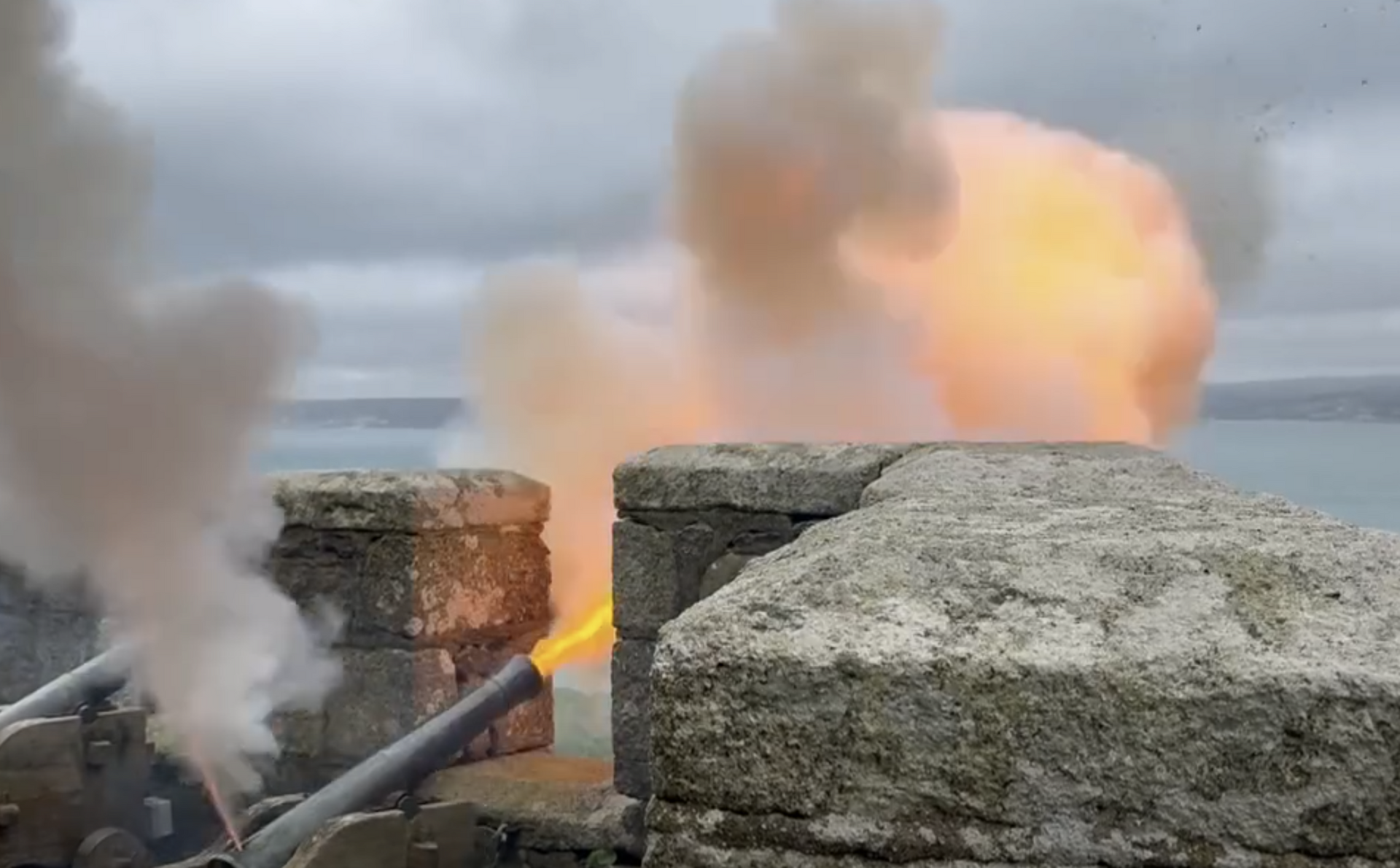
In early 2026, six of those historic bronze guns once again thundered across Mount’s Bay, as representatives from the London Proof House travelled to the island to conduct a rare and highly specialised off-site proof operation.
The project emerged through collaboration between the estate management team at St Michael’s Mount and Simon West of Bronze Cannons.
The Mount’s estate management team wished to understand whether the historic guns could safely be returned to ceremonial use for blank firing during special occasions and public events. Before this could happen, however, the cannon required inspection or ‘viewing’ to use a proving term, which is a visual assessment of the cannons, before the proof test firing.
The guns themselves are of particular historical interest.
Historic England records describe the “French Gun Battery” at St Michael’s Mount as being fitted with cannon recovered from a French frigate wrecked during the Napoleonic Wars.
The Mount’s own historical records similarly describe cannon which once drove a Napoleonic vessel ashore on Marazion beach. The bronze guns are believed to pre-date the French Revolution and likely entered British possession during the long conflicts between Britain and France in the late eighteenth or early nineteenth centuries.
Although these cannon had survived centuries exposed to the harsh maritime climate, they had never undergone formal English proof. Before any future ceremonial use could be contemplated, the guns therefore required careful technical examination and had to be proved.
Proof Master David Miles travelled to the island alongside past Master Lt Colonel Simon West to undertake the operation.
Because of the unusual and unique nature of the work, proofing six historic bronze muzzle-loading cannon on a tidal island, extensive safety planning was required.
Therefore the Mount was closed to the public for the duration of the testing, while advance notice was issued locally to explain the source of the explosions, which was not the marauding French, that would later echo across the beautiful bay. Spectators gathered on the mainland to observe and hear the proceedings from a safe distance.
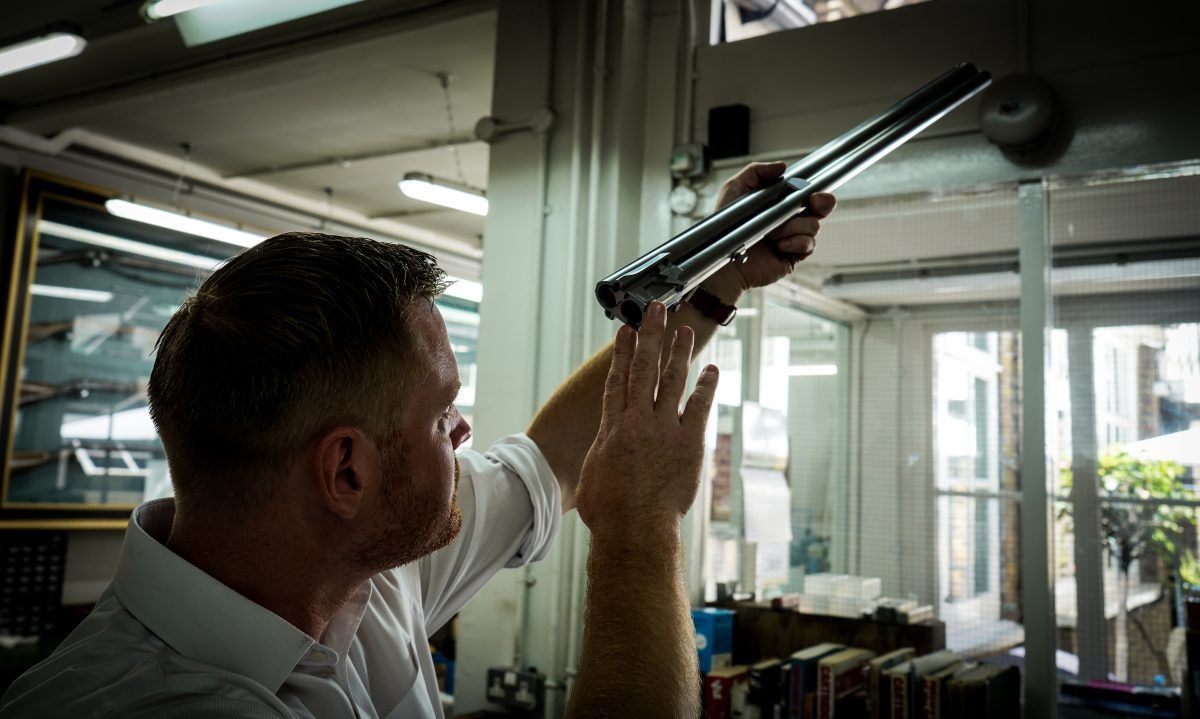
The first stage involved detailed visual inspection of each cannon. Bore endoscopes were used to examine the interior condition of the barrels, checking for cracks, excessive pitting, obstructions or structural defects. The touch holes were inspected and cleared, while the guns were thoroughly cleaned before any loading took place.
To establish the appropriate proof loads, the team referred to historic British rules of proof for black powder artillery.
Importantly, the decision was made that the cannon would only ever be certified for blank firing, not for firing projectiles.This decision reflected both safety and heritage considerations.
Blank firing generates substantially lower pressures than live firing and avoids the obvious risks associated with discharging shot across public waters or towards the mainland. It also allows the cannon to fulfil a ceremonial role while preserving the integrity of the historic guns themselves.
The proof charges were loaded using coarse-grain cannon blasting powder, a slower-burning black powder designed to produce a more progressive pressure curve within the barrel. Unlike modern nitrocellulose propellants, which create extremely rapid chamber pressure spikes, traditional black powder burns progressively along the barrel length, producing more gradual pressure development.
The proof procedure for historic black powder artillery required a double service charge, effectively twice the normal operational live fire load. Each cannon was therefore subjected to a significantly greater pressure than it would experience during normal ceremonial use.
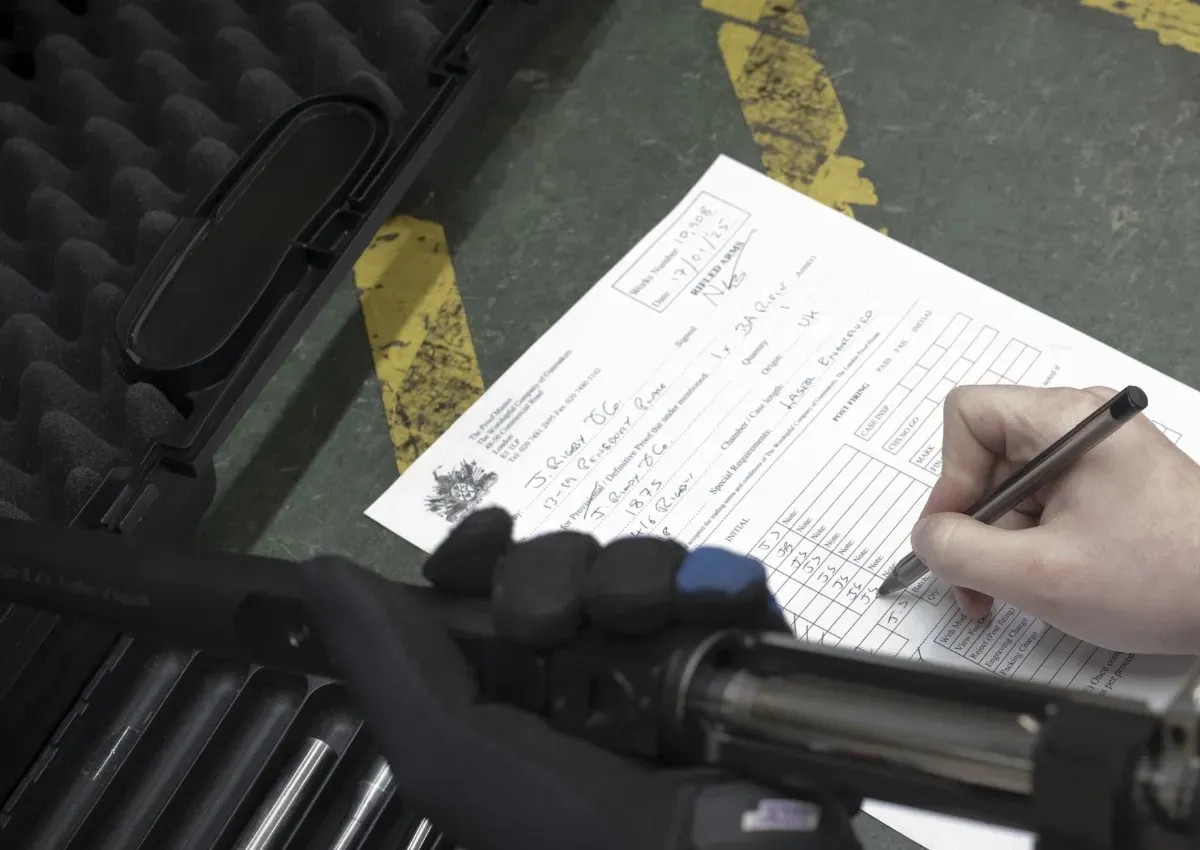
The six guns were initially fired individually for preliminary assessment. Following inspection after the first discharge, the cannon were cleaned, swabbed and reloaded for a second proof firing. Black powder procedures required careful bore cleaning between firings to ensure no burning embers remained before reloading.
For the second series of firings, all six cannon were fired in sequence. Long safety fuses allowed the team sufficient time to retreat to a secure location before the barrage commenced. Witnesses on the mainland watched as the guns fired one after another across Mount’s Bay, a scene that would have been familiar during the island’s military past. After the second proof firing, the cannon underwent full post-proof firing inspection using both visual examination and bore endoscopy. No cracks, bulges or signs of structural failure were identified, and all six guns successfully passed proof.
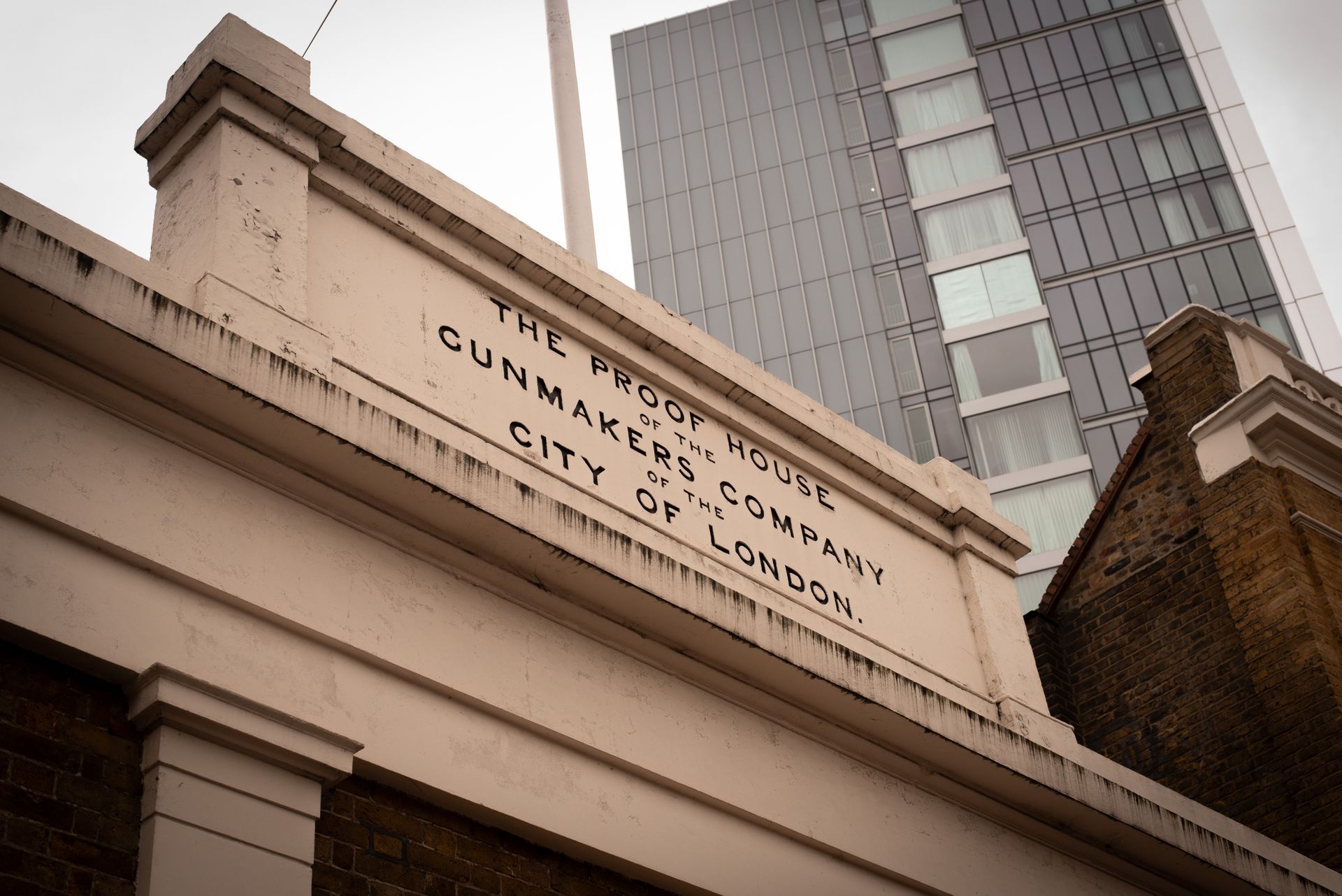
This unique operation represents an unusual but important example of modern proof work extending beyond the traditional confines of the London Proof House itself.
While off-site proof testing is uncommon, projects involving historic artillery in operational heritage environments are rarer still.
Perhaps most importantly, the work demonstrated the continuing relevance of proof in preserving living heritage. These cannon are not merely static museum objects.
Through careful inspection, historically informed proof procedures, staff training and controlled use, they can once again form part of the ceremonial life of St Michael’s Mount while remaining safe for staff and visitors alike.
In an age where many historic objects are viewed only behind glass, the successful proof of the Mount’s bronze cannon serves as a reminder that heritage can still be experienced as it was intended and seen, heard, smelt as the Battery is now brought back into use.
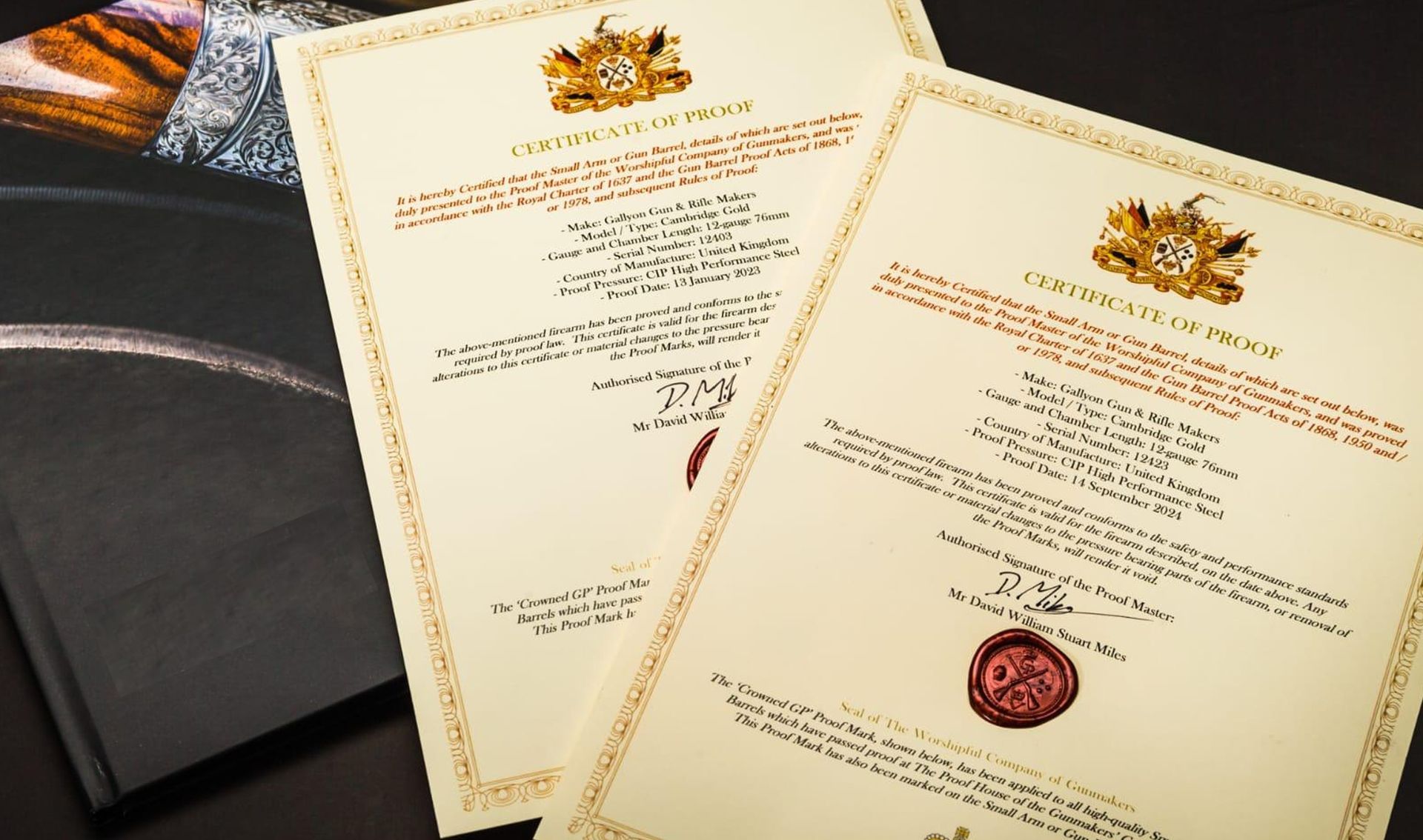
The historic guns could now safely be returned to ceremonial use for blank firing during special occasions and public events. The team at St Michael’s Mount were extremely grateful for the professional services provided by the Proof Master of the London Proof House - 1637.