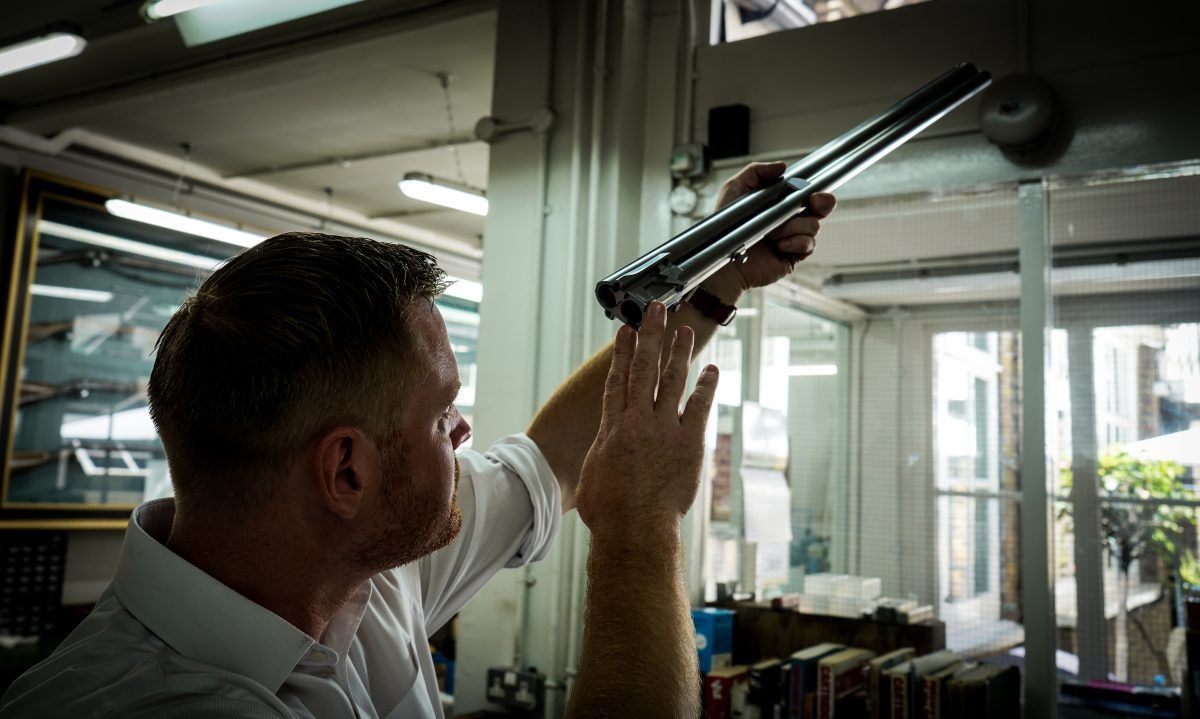
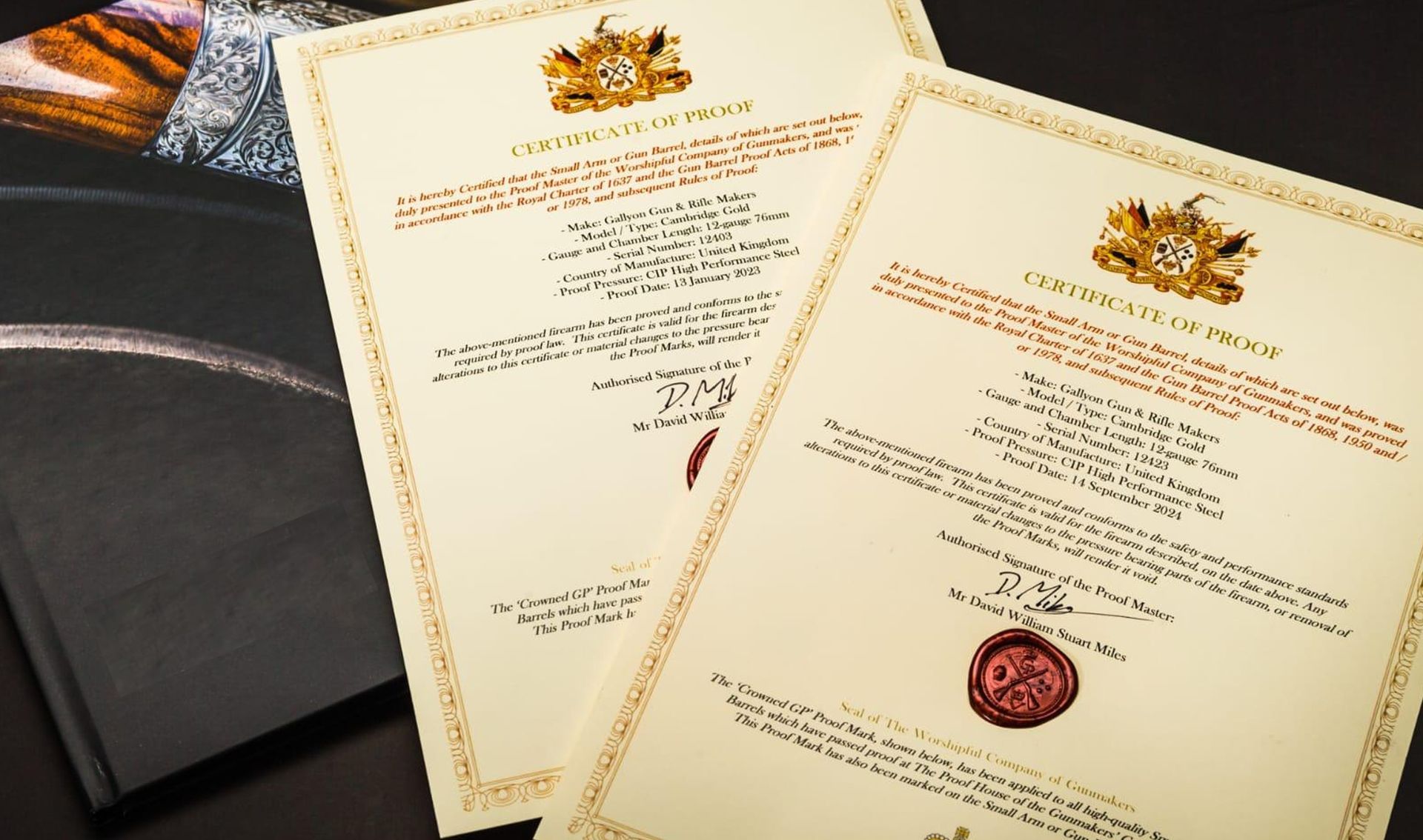
Speaking to Gun Trade Insider, Hefford-Hobbs explained that the committee sits at the heart of the Gunmakers’ working function, distinct from its well-known livery activities and plays a central role in ensuring the Proof House continues to meet its statutory obligations.
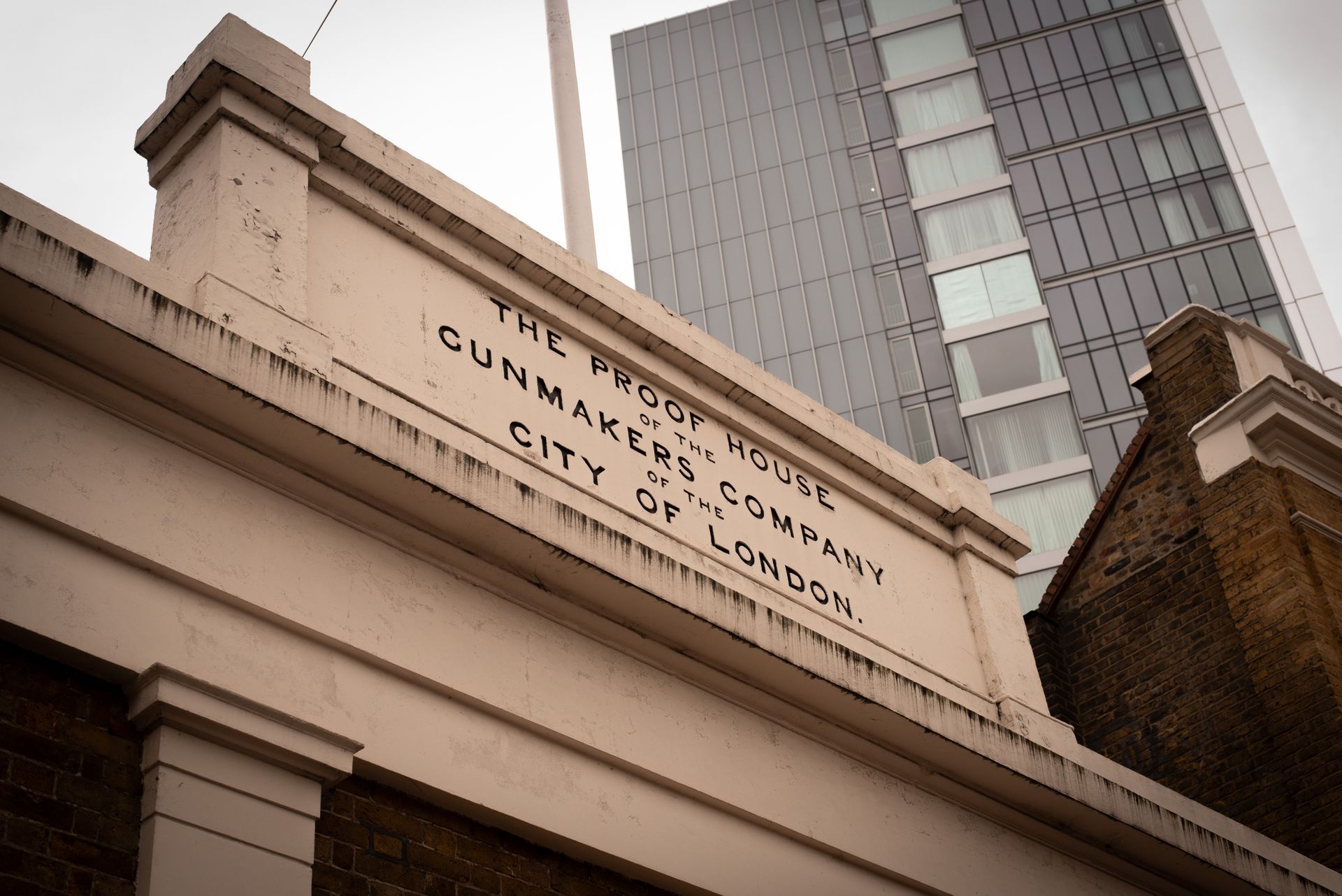
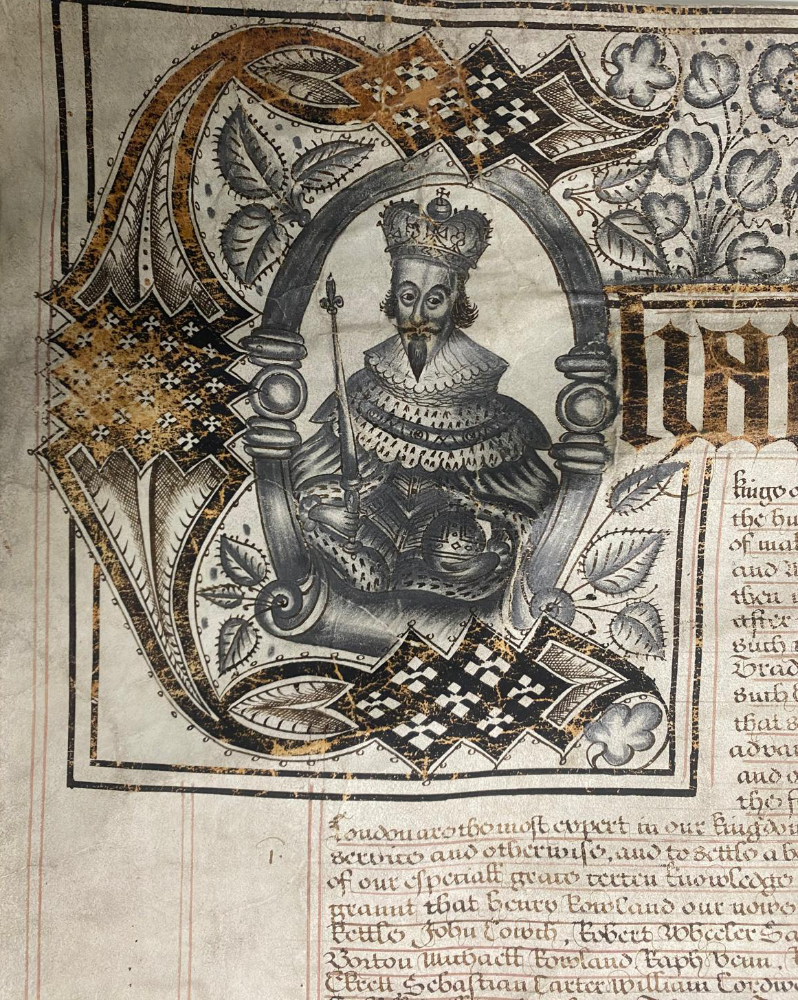
“One of the things to make clear is that there are two aspects to the Worshipful Company of Gunmakers,” he said. “There’s a livery side, which is all to do with liverymen, fellowship and philanthropy. Then there’s the other dimension, which is the working side of what we do - proving guns for public safety and public good. That’s what we’ve been doing since 1637.”
The Proof House Committee has long formed part of that structure, with responsibility for oversight embedded within the organisation’s charter.
“The overseeing of the proof master is something that was originally part and parcel of what we were chartered to do,” Hefford-Hobbs said. “It is basically overseeing the proof master and the activities of the proof system to make sure that duties are discharged in accordance with the role and the charter.”
While the proof master manages daily operations, the committee operates at a strategic level and reports directly to the Court.
“Day to day, the proof master runs the Proof House and manages the proof assistants,” he explained. “But the chairman of the Proof House Committee and the committee itself sit above proof, and it is the Proof House Committee that reports to Court. It is the committee that sets, with the proof master, the strategic direction and offers a challenging environment, asking why we are doing something and whether we should be doing it differently.”
Regulatory compliance remains a core responsibility, particularly given the legislative framework that underpins the Proof Houses’ authority.
“We make sure that from a regulatory standpoint we are in the right position in terms of the Acts of Parliament that maintain our powers,” he said. “We are accredited to ISO 9001, so we must ensure our accreditations are audited and that we are working within that framework.”
Data security is another area receiving increased attention. “We will have Cyber Essentials in place by the end of February. We will then go to Cyber Essentials Plus, and then take a view as to whether we move forward to ISO 27001, which is information and data security. You can imagine why that’s important, not only for our civilian customers but also the military and uniformed services.”
He added that robust protections should reassure customers across all sectors. “The military would be comforted to know that data is being kept secure, and our civilian customers would be comforted to the same degree.”
Eligibility for the position reflects the seniority required.
“Chairs of the Proof House Committee need to be ex-masters, so you have to have gone through the Court system before becoming eligible,” he noted.
Several previous chairmen have left a lasting influence, including respected industry figures. “We’ve had people such as Robert Pitcher and Daryl Greatrix, who used to be chairman of Holland & Holland and now works as a consultant at Purdey. Very much like masters, every chair has their own drivers and wants to leave their own fingerprints on the role.”
Hefford-Hobbs’ own background is likely to shape his tenure. A professional engineer, fellow of the Royal Academy of Engineering and leader of a precision manufacturing business supplying highly regulated industries, he intends to prioritise systems and process improvements.
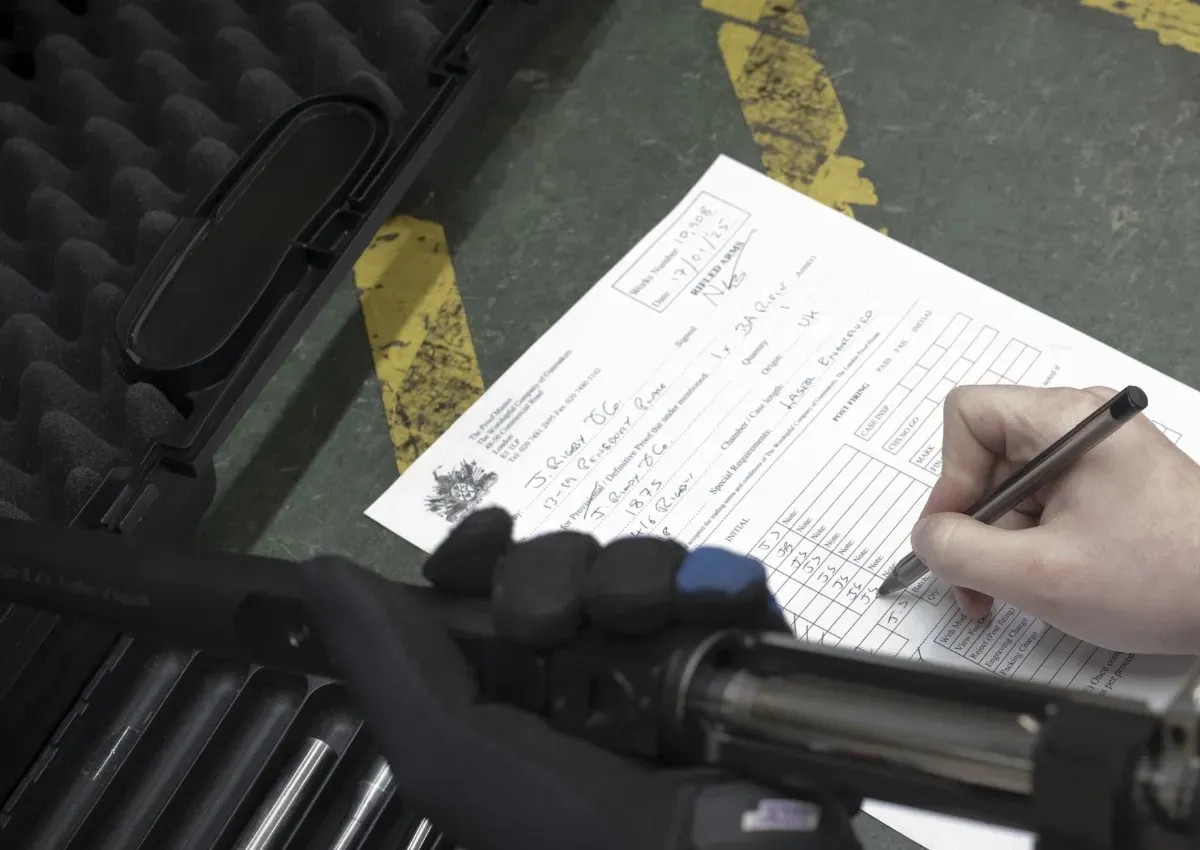
“One of the things I’m really going to be pushing on with is looking at our systems, processes, procedures and data security,” he said. “I’m looking to modernise in a number of ways and move from bits of paper floating around the Proof House to a proper data capture system so customers can become more informed.”
He envisions a more transparent workflow. “Rather than bringing a gun through the front door and out again once the job is done, it would be logged into a system and the customer would be told when we started it. These are the kinds of things I’ll be exploring.”
His influence is already evident. Prior to becoming chairman, Hefford-Hobbs was the master of The Worshipful Company of Gunmakers and served on the committee for several years and helped introduce a redesigned proof fixture for best guns.
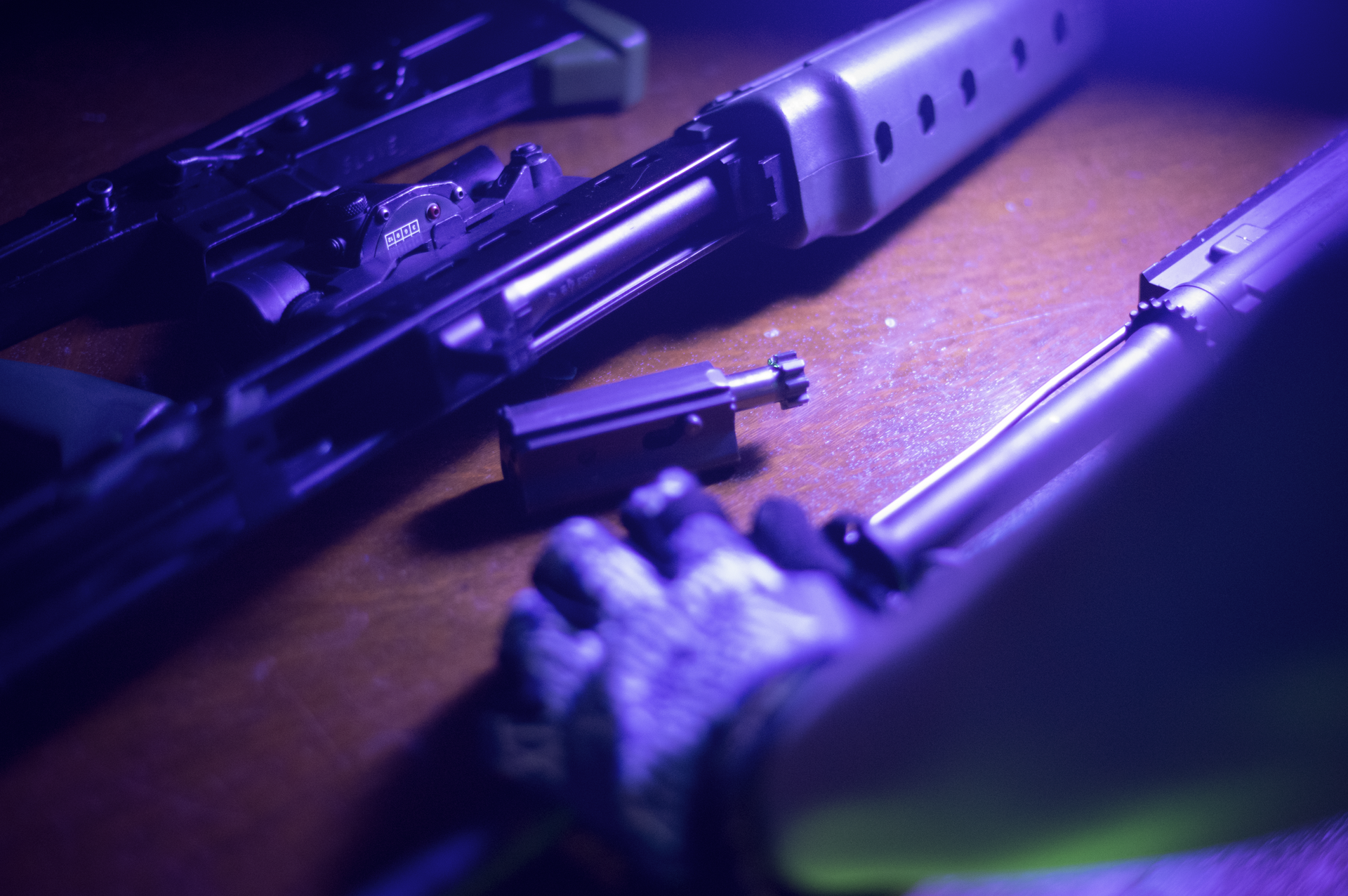
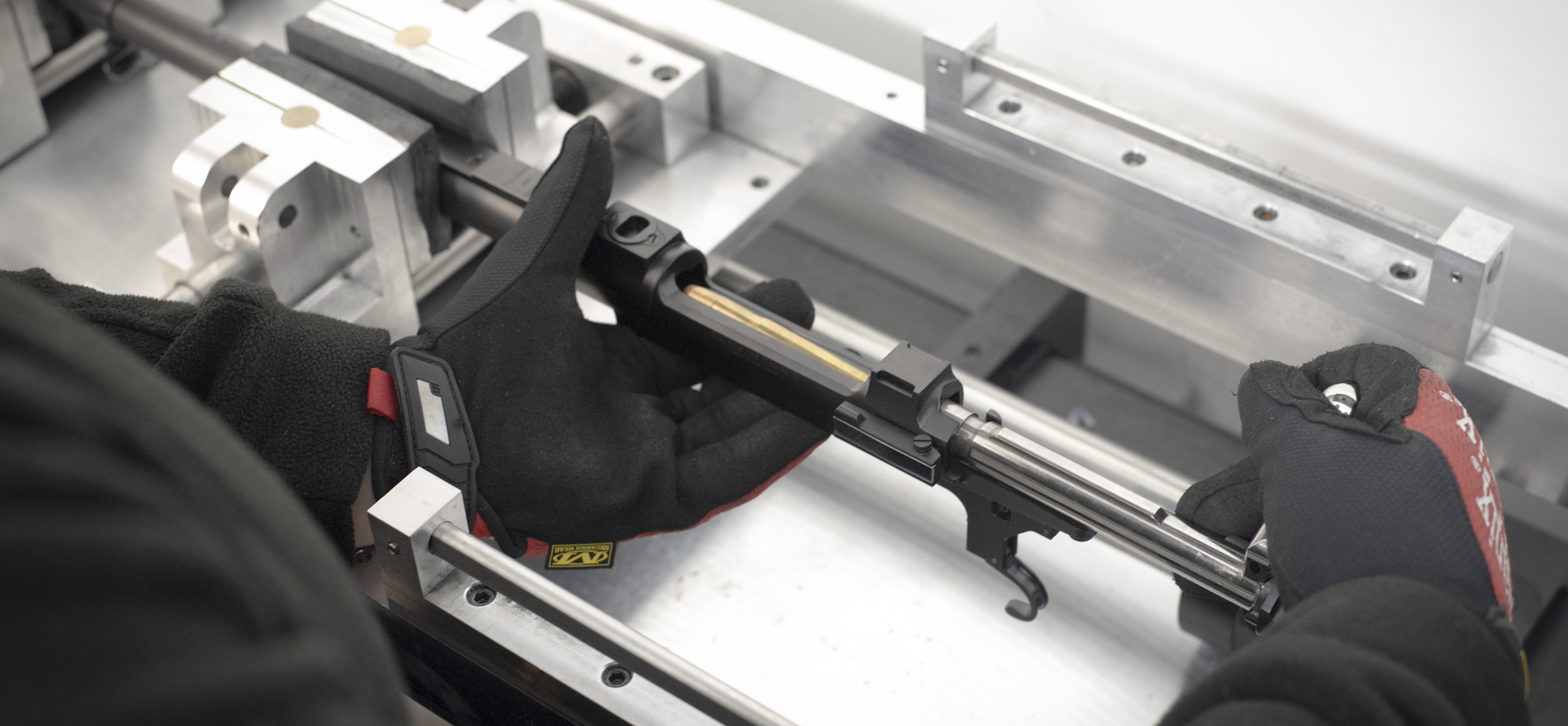
“We designed a rig specifically for proving best guns, both shotguns and rifles. We can now say with certainty that guns are being held appropriately during proof. The process is safer, more efficient and ultimately the customer gets a better service.”
Electronic solenoids and upgraded bullet catchers have further improved safety and environmental control, demonstrating what he describes as a more technical direction for the organisation.
“It gives the team vision and leadership, and they understand why we’re doing this, because it’s important for all these reasons.”
Despite its historic foundations, Hefford-Hobbs is keen to stress that the London Proof House is far from static.
“While we have history and heritage, we are a modern Proof House developing leading-edge technology and unique know-how,” he said. “Any organisation that has reached almost 400 years old has had to evolve and reinvent itself. If you don’t, you become irrelevant.”
Ultimately, Hefford-Hobbs sees adaptability as the defining requirement for the committee’s future direction.
“Whether it’s black powder going to nitro, or lead going to steel, we have to have the technical ability and agility to respond in order to remain relevant.”
For the UK trade, that message carries clear significance: the Proof House may be rooted in centuries of tradition, but its leadership is focused squarely on ensuring it remains equipped for the demands of a modern firearms industry.